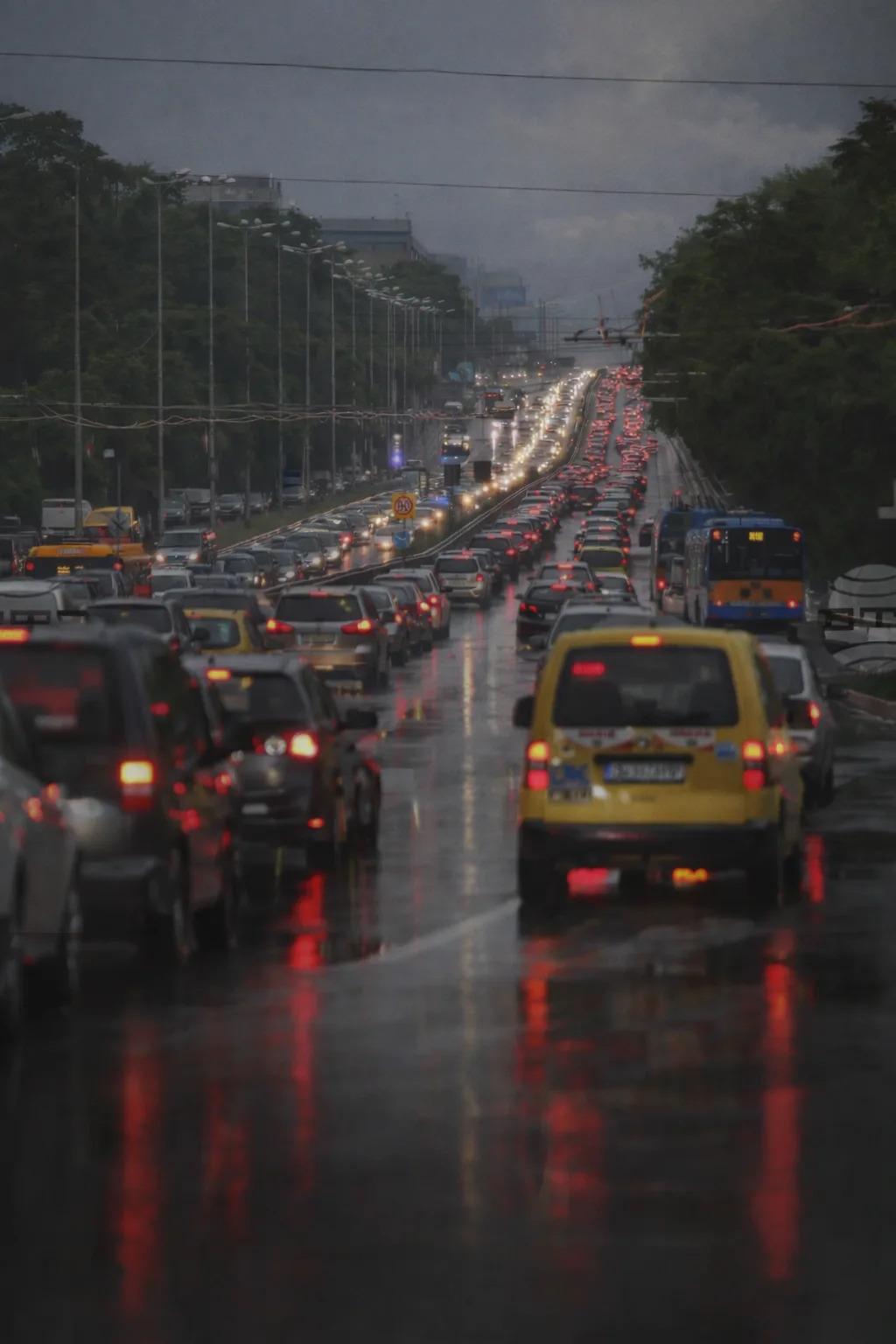
Driving in Bulgaria as a Foreigner: Everything You Need to Know
For many tourists and foreign guests, a rental car is a convenient way to travel freely between airports, major cities, seaside resorts, and smaller towns in Bulgaria. However, before getting behind the wheel, it is important to familiarize yourself with the local traffic rules, required documents, electronic vignette requirements, and what to expect during a routine police check.
With proper preparation, driving in Bulgaria is easy and pleasant. Here are the most important details you should not miss.
Which Side of the Road Do You Drive on in Bulgaria?
In Bulgaria, driving is on the right side of the road, and overtaking is always done on the left.
For drivers coming from countries with left-hand traffic (such as the United Kingdom, Ireland, or Cyprus), this is one of the first challenges. Confusion most frequently occurs during:
Navigating roundabouts;
Changing into the correct lane;
Exiting a parking lot or gas station.
Practical tip: Drive with increased caution during the first few kilometers until you get used to the traffic flow.
Basic Traffic Rules in Bulgaria
Bulgarian law establishes several mandatory rules that Traffic Police enforce:
Daytime running lights: The use of low beam headlights or daytime running lights is mandatory year-round, regardless of the weather or time of day.
Seat belts: Wearing seat belts is mandatory for all occupants, both in the front and rear seats.
Child safety: Appropriate child car seats or booster seats are required for children under 150 cm tall (approx. 4 ft 11 in). The restraint system used must be appropriate for the child's height and weight.
Mobile phones: Using a mobile phone while driving is prohibited. An exception is permitted only when using a hands-free system.
Fines for these violations can be significant, so familiarize yourself with local traffic rules in advance rather than assuming they match those in your home country.
Speed Limits in Bulgaria
The general speed limits for passenger cars are:
In built-up areas: up to 50 km/h;
Outside built-up areas: up to 90 km/h;
On highways (motorways): up to 140 km/h.
Important: Road signs always take precedence over general speed limits. In areas with roadworks, tunnels, dangerous curves, or near populated areas, lower speed limits may be posted.
Even where driving up to 140 km/h is permitted on highways, drivers must adjust their speed according to traffic, visibility, road conditions, and weather.
Drinking and Driving in Bulgaria
Do not drive under the influence of alcohol. Even a small amount can affect your reaction time, concentration, and ability to properly assess situations on the road.
Under Bulgarian law, Article 5, Paragraph 3, Item 1 of the Road Traffic Act, driving with a Blood Alcohol Concentration (BAC) exceeding 0.05% (0.5 g/L) is strictly prohibited. This legal threshold should not be viewed as a safe amount of alcohol to consume before driving.
In Bulgaria, the police conduct regular checks for alcohol and drug consumption. In case of a violation, penalties can include fines, license suspension, revocation of vehicle registration, and in more severe cases, criminal liability.
What Documents You Must Carry in the Car
During a traffic police check, you are required to present the following documents:
National ID card or passport;
Valid driver's license;
Vehicle registration documents;
Car rental contract (if the vehicle is rented).
Driver's license requirements in Bulgaria:
For EU citizens: Driver's licenses issued in a European Union member state are fully valid in Bulgaria.
For non-EU/EEA citizens (e.g., USA, Canada, Turkey, etc.): Check in advance whether your home license is recognized directly. An International Driving Permit (IDP) or certified Bulgarian translation may be required.
Electronic Vignette in Bulgaria: How It Works
For all passenger cars with a maximum permissible weight of up to 3.5 tons, a road toll must be paid in the form of an electronic vignette when driving on the national toll road network. The vignette is linked to the vehicle's license plate number and is not physically attached to the windshield.
When purchasing, it is important to carefully verify the entered details, including the license plate number, country of registration, and validity period. Enforcement is strictly automated via road cameras and mobile police units, so your vehicle must have an active e-vignette before hitting any national road or highway.
Electronic Vignette When Renting a Car from DL Rent
All DL Rent vehicles come with an active electronic vignette for travel on the national toll road network in Bulgaria. It is included in the rental price, so you do not need to purchase or pay for it separately.
With other companies, the vignette may not be part of the base price. Therefore, before making a reservation, it is recommended to carefully check what the selected offer includes.
Parking in Bulgaria
In most major cities, parking is paid and organized in Blue or Green zones. Payment is usually made via SMS, a mobile application, or a parking meter, depending on the specific city.
Before leaving your vehicle, always check the road signs and parking conditions. Illegal parking can result in a fine, wheel clamping (booting), or towing to an impound lot.
Gas Stations and Fuel
Gas stations are available throughout the country, including along major highways and international routes. Most operate 24/7 and accept bank card payments.
The most common fuel types are A95 (unleaded 95), A98 (unleaded 98), Diesel, and LPG (autogas). If you are planning a longer trip through mountainous or sparsely populated areas, it is advisable to refuel in advance, as distances between gas stations can be greater.
Emergencies and Roadside Assistance
In the event of a traffic accident, fire, or other emergency in Bulgaria, call 112. The number is toll-free and operates 24/7 from mobile and landline phones. Operators can also assist in English.
If you are driving a DL Rent vehicle, contact us as soon as possible so we can assist you according to the situation.
In case of an incident, you can consult our guide on what to do during an accident in a rental car. If a technical issue arises during your trip, check what to do in case of a breakdown.
Winter Tires and Seasonal Requirements
From November 15 to March 1, vehicles in Bulgaria must be fitted with tires designed for winter conditions or with tires having a tread depth of at least 4 mm.
When traveling to mountain areas, winter resorts, or passes, it is recommended that the vehicle be equipped with appropriate winter tires suited to road and weather conditions.
Mandatory Vehicle Safety Equipment
According to the Road Traffic Act, every vehicle must be equipped with:
A reflective safety vest;
A reflective warning triangle;
A first aid kit (stocked to required standards);
A fire extinguisher.
When renting a car from DL Rent, you don't need to worry about these details. Every vehicle in our fleet is equipped with the mandatory safety gear and has passed the required technical inspection.
Planning a trip? Book your rental car and enjoy hassle-free driving in Bulgaria!
Frequently Asked Questions
How Do I Pay for a Blue or Green Zone If I Do Not Have a Bulgarian Mobile Number?
Foreign SIM cards usually do not support sending SMS to short parking numbers in Bulgaria. In this case, you can pay in cash to a zone attendant (if one is nearby), purchase a paper voucher from neighboring retail shops, or use the official mobile apps for the respective city, which allow payment with an international bank card.
When Exactly Is an International Driving Permit (IDP) Required in Bulgaria?
If your driver's license was issued outside the EU/EEA and does not meet the standards of the Vienna Convention on Road Traffic, you are legally required to carry an International Driving Permit (IDP) alongside your original license.
How Are Speed Camera Fines Processed for Foreigners in a Rental Car?
All electronic traffic tickets from police speed cameras are sent to the car rental company owner. The company is legally obligated to provide the driver's details and rental agreement to law enforcement officers. The fine is then officially redirected to the foreign driver, and administrative processing fees are handled according to the rental agreement.
What Should I Know About Driving Around Trams If I Am Driving in Sofia?
In Sofia, trams always have the absolute right-of-way over standard vehicles at unmarked or uncontrolled intersections, even when approaching from your left. Additionally, you may only overtake a moving tram on its right side.
About the Author
Gergana Ivanova – Category B Driving Instructor & Co-founder of DL Rent.
With extensive experience in driver training and fleet management, Gergana ensures that DL Rent customers receive transparent service, impeccably maintained cars, and complete peace of mind behind the wheel.